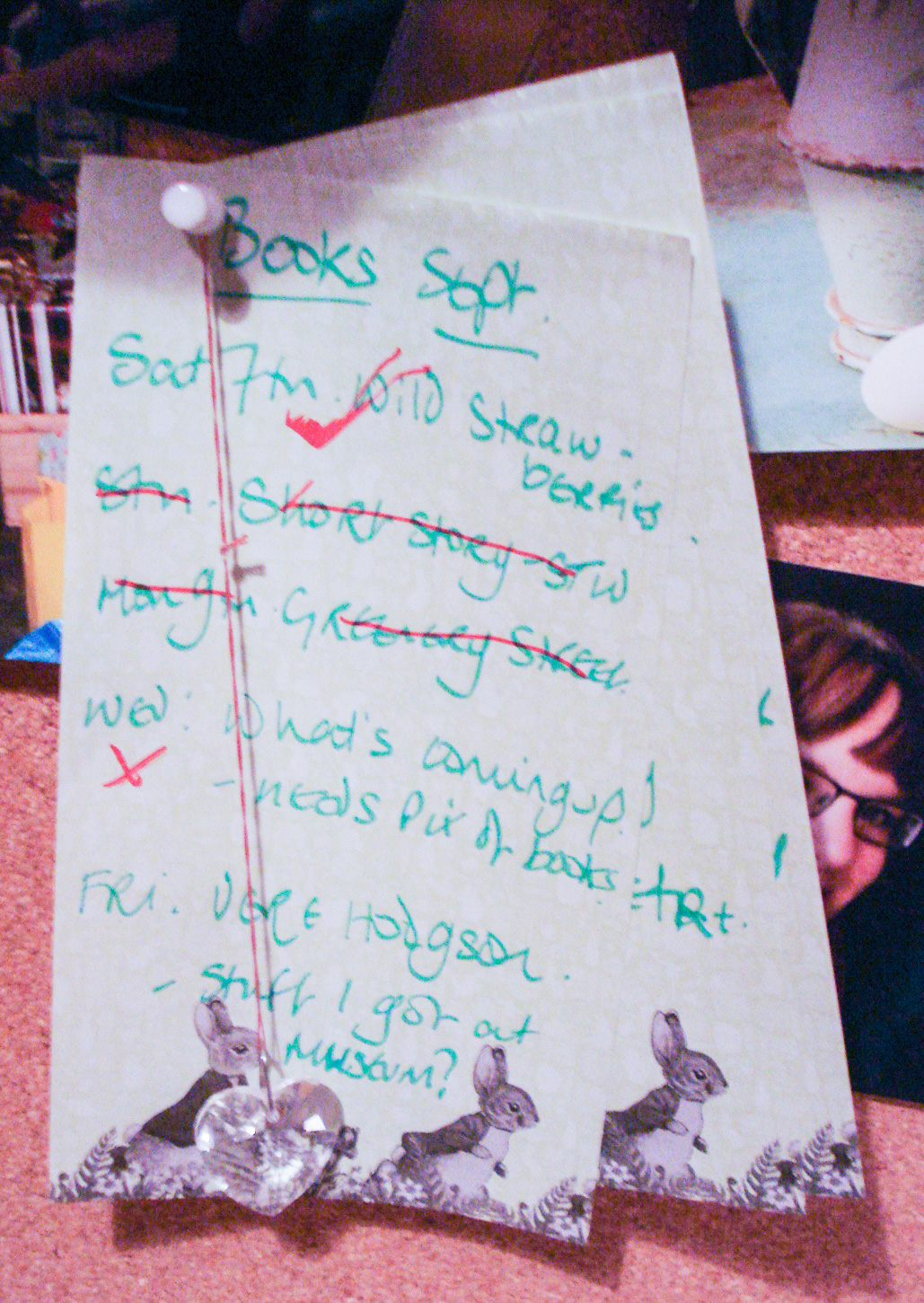
I’ve now finished the ‘treat’ books which I bought courtesy of my mother, and I’m delighted to say there wasn’t a dud among them – I loved them all. Actually, when I say I’ve completed them, I’m lying, because I’ve got two Works in Progress where I opted for slow reads: Vere Hodgson’swartime diaries, Few Oranges and No Eggs, and the Short Stories of Sylvia Townsend Warner. As a rule I’m a fairly fast reader (I want to know what happens, so I have to reach the end quickly, then I can go back and take my time with a re-read!). But Hodgson’s book is such a chunkster, and so packed with information and observations that it lends itself to a more leisurely approach, which gives me time to take everything in, and to think about what life must have been like, and to look things up, and find other books from the same period. And short stories, I’ve decided, should be read one (or possibly two) at a time, rather than racing through an entire book in one fell swoop, which means my brain gets overloaded, and I cannot appreciate the individual tales because they all get jumbled up together! I am sure I never used to have problems like that – it must be a side effect of old age and decrepitude!
Anyway, I’ve got a little list of the new batch of books collected from charity shops over the summer, and I’m looking forward to making a start on them. They are mainly ‘old’ books – vintage Penguins and VMCs predominate, and there is only one live author among them. What does that say about me I wonder? Sometimes I think I should read more modern fiction, but why change the habits of a lifetime!
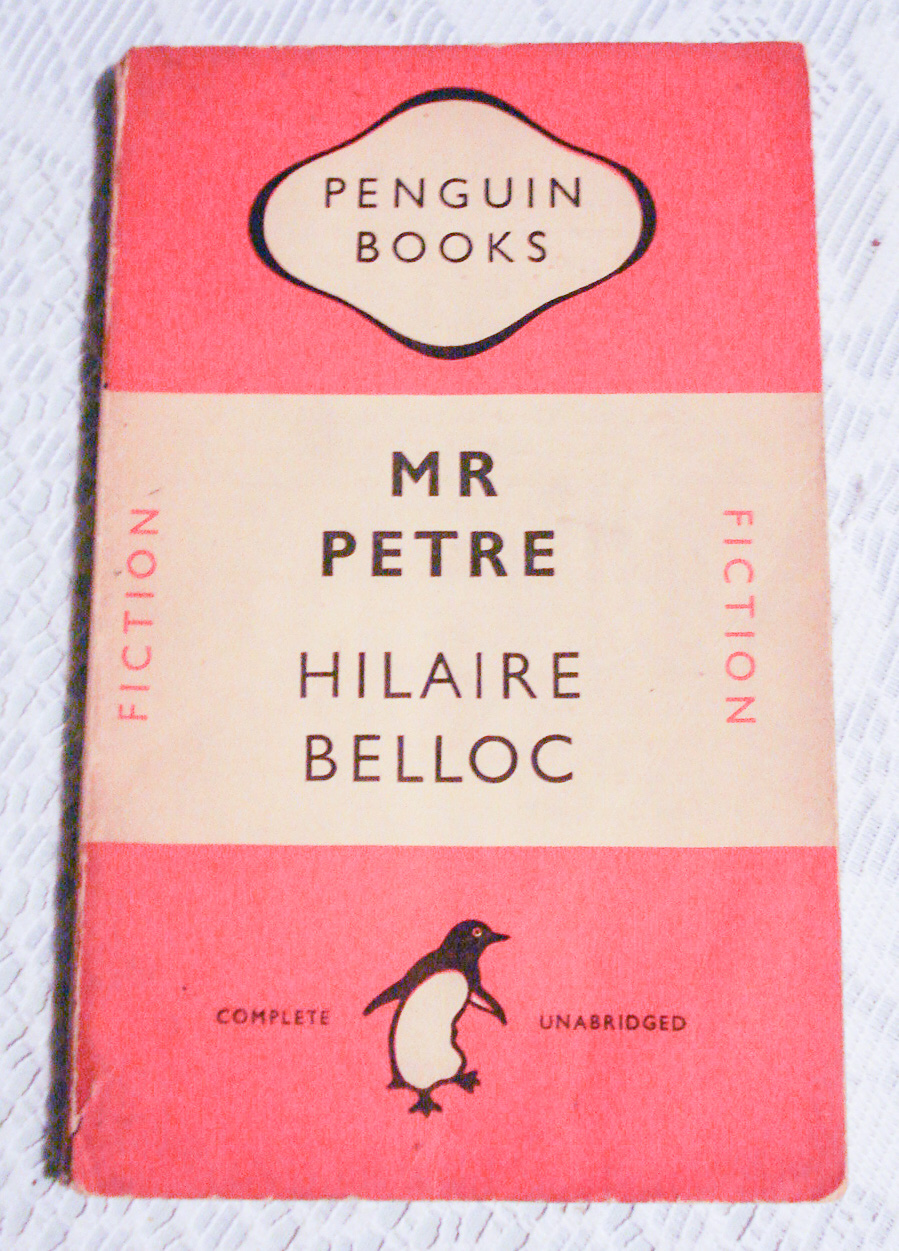 Next is another novel from another poet: Mr Petre, by Hilaire Belloc, who is known mainly for his Cautionary Tales (remember Matilda, who told such dreadful lies, it made one gasp and stretch one’s eyes, or Henry King, whose chief defect was chewing little bits of string). I knew he wrote more serious poetry, but hadn’t realised he was a prolific author, who also produced novels, travel books, political essays and all sorts of other things. This particular book is a very shabby old Penguin (number 633, with a dancing bird on the front) and I have no idea what to expect. According to the blurb on the inside cover: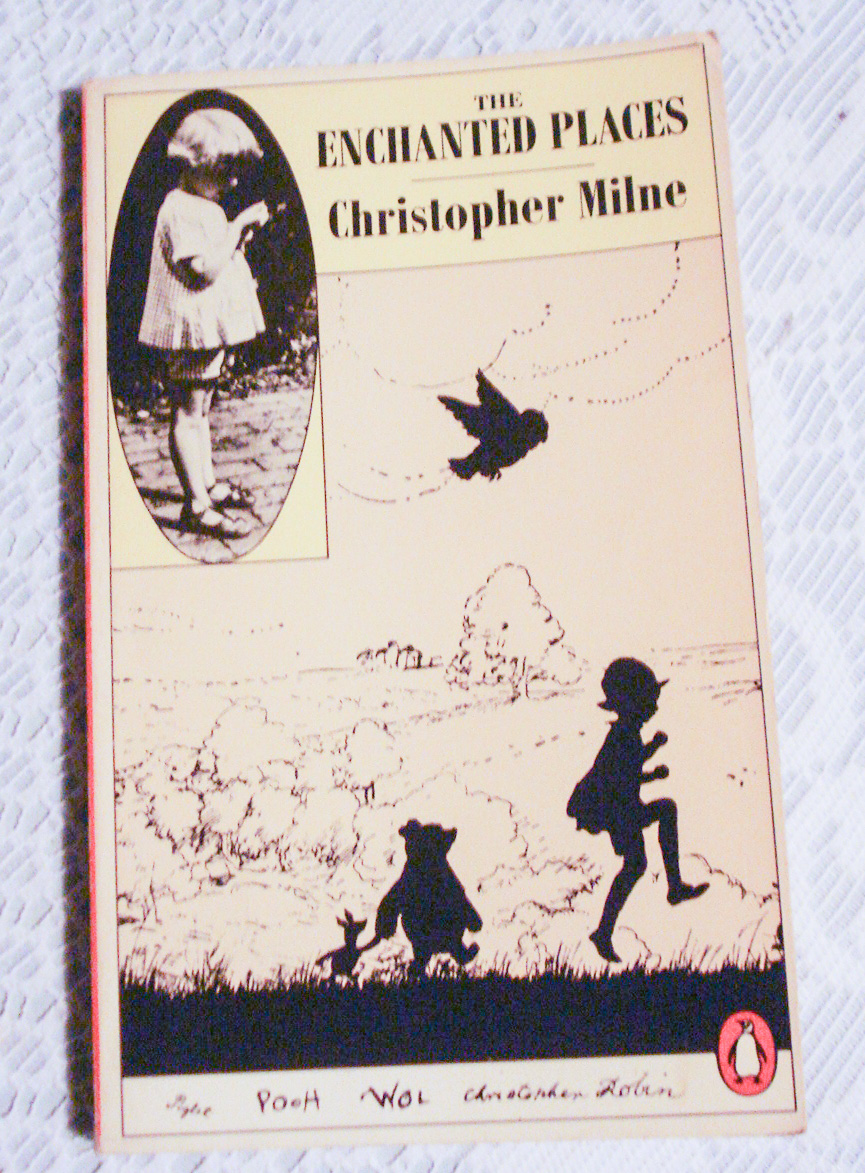
And I have another Penguin, though this one was published a little later – it’s a 1979 edition of The Enchanted Places, by Christopher Milne, and I have every hope that it will prove to be as enchanting as the title, and as pleasurable to read as the stories about Pooh and Christopher Rob written by his father, AA Milne. I’ve read reviews by other bloggers who adored this, but cannot remember who they were – Simon T at Stuck in a Book perhaps, or Claire at The Captive Reader. So, since I cannot refer you to a sensible writer, I shall have to quote from the Blurb on the Back, which states:
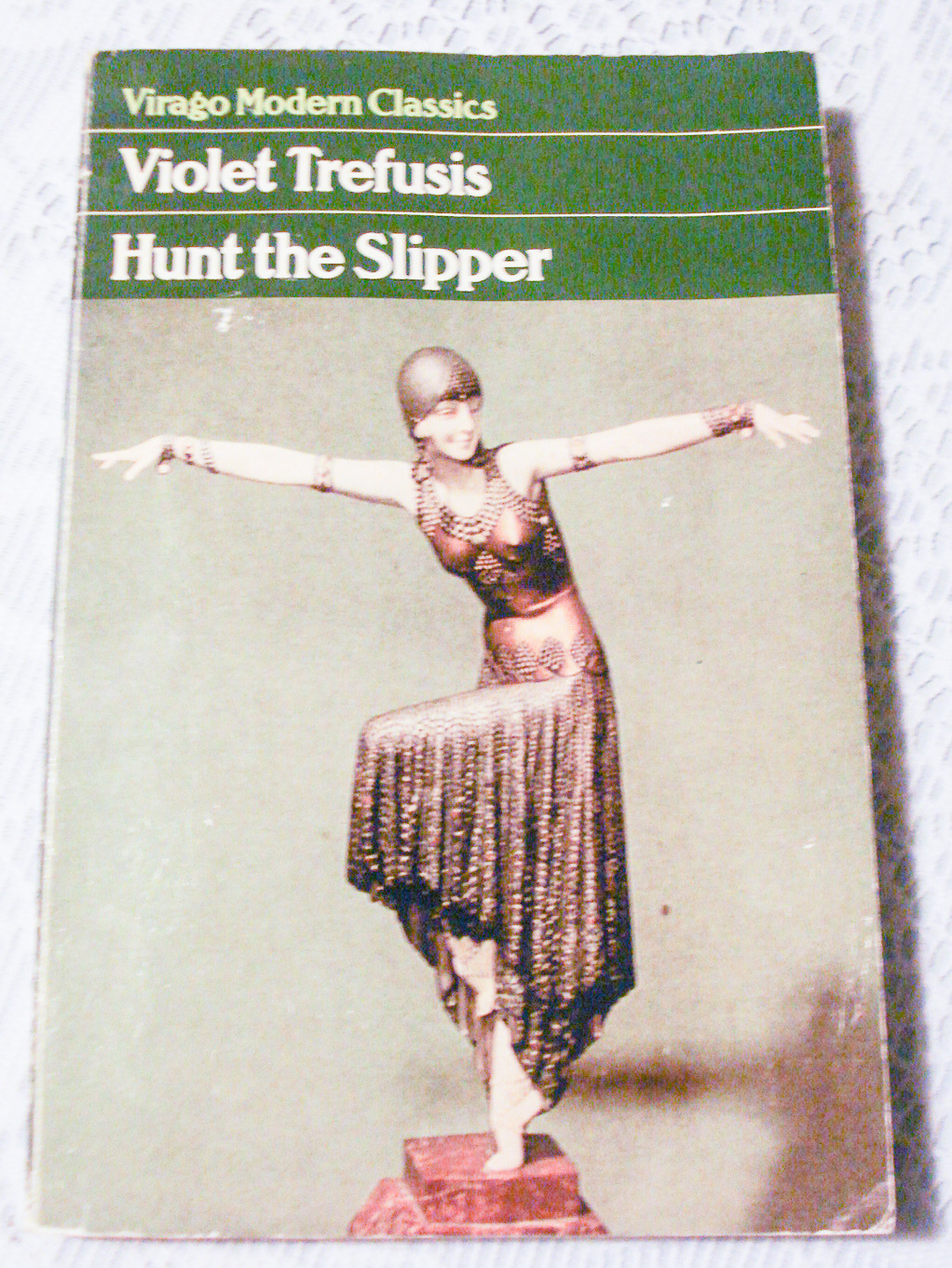 Hunt the Slipper by Violet Trefusis sounds very different. She and Streatfeild were born a year apart, yet their lives and writing are worlds apart. All I know about Trefusis is that she was the daughter of Alice Keppel (the mistress of Edward VII) and that she was the lover of Vita Sackville-West – didn’t they actually elope together at some point? And I seem to remember reading that their affair and its aftermath inspired Virginia Woolf to write Orlando. Anyway, once again my lack of knowledge means I’ll have to fall back on the Book Blurb for information:
Sebastian and Violet are siblings, and children of the English aristocracy. Handsome and moody, ay nineteen Sebastian is heir to the vast country estate, Chevron. A deep sense of tradition and love of the English countryside tie him to his inheritance, yet he loathes the glittering cold and extravagant society of which he is part. Viola, at sixteen, is more independent: an unfashionable beauty who scorns every part of her inheritance – most particularly that of womanhood.
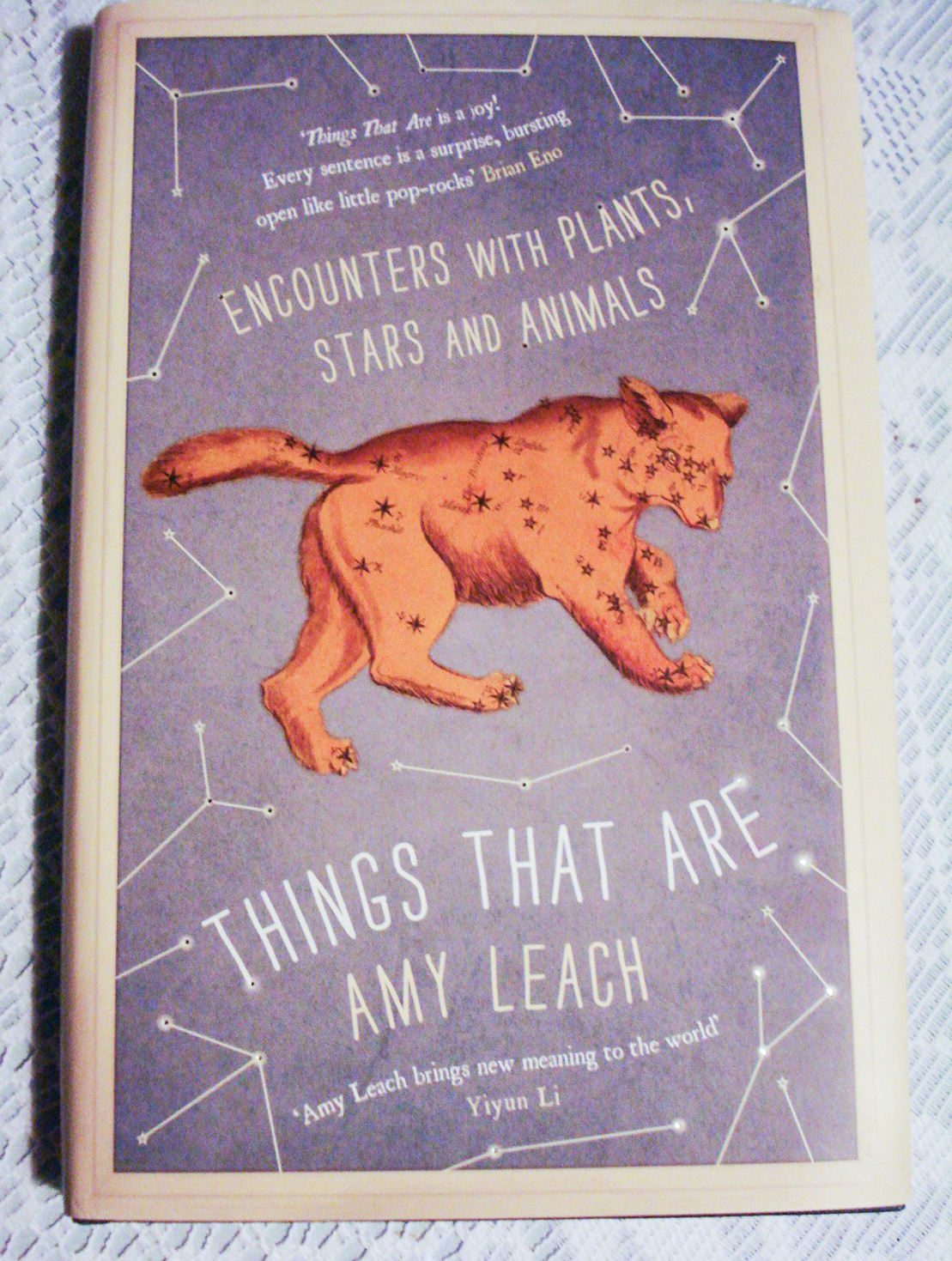
Finally, I bought a copy of Things That Are, Encounters with Plants, Stars and Animalsby Amy Leach, because I picked it up in Waterstones in Birmingham, just to look at it, and ended up sitting on the floor reading it. On the back says: “This is a book about the Universe which begins with swimming salmon and ends with the starry sky.” That’s a pretty good description really, because it’s a series of short essays reflecting on life, the universe and everything, with snippets about nature, history, science, myth, and a host of other things, and as the author ponders them she also thinks about Man and his place in all this. She reminded me of Kathleen Jamie, and I’m enjoying this slender volume very much indeed.
What plans does anyone else have for reading in September? Have you got a stash of new books to see you through the autumn, or do you turn to old favourites as the weather grows colder and the dark nights begin to close in?

 The Book Trunk
Leave a comment