 |
| Polesworth Abbey Gatehouse |
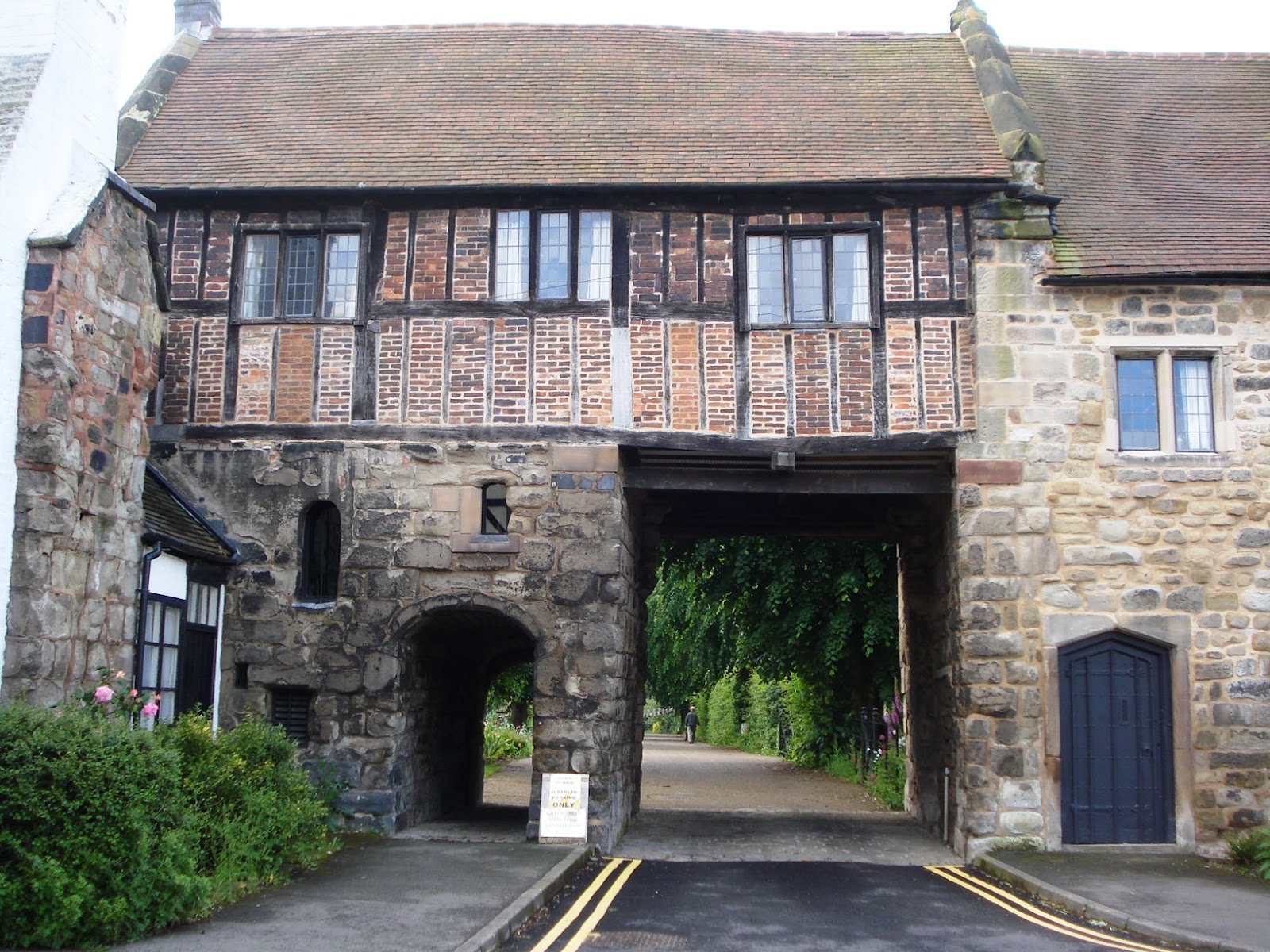
This gatehouse is virtually all that remains of Polesworth Abbey, and I can never pass it without thinking of the nuns who walked beneath it when the were forced to leave during the dissolution of the monasteries. For some of the women it would have been the only home they had ever known – and one of them was 100 years old, so just imagine how she must have felt.
It was here that the nuns distributed bread to the poor of the village, and as they left they must have wondered who would feed them and how they would survive in the harsh world outside their convent and its church. The Benedictine abbey, founded in Saxon times, was rebuilt by the Normans, and became very prosperous through donations from wealthy benefactors who, doubtlessly, hoped their generosity would secure them a place in Heaven. The nuns owned woods, meadows and other land, as well as mills, churches, a dovecote, and properties owned by tenants living and working on their land.
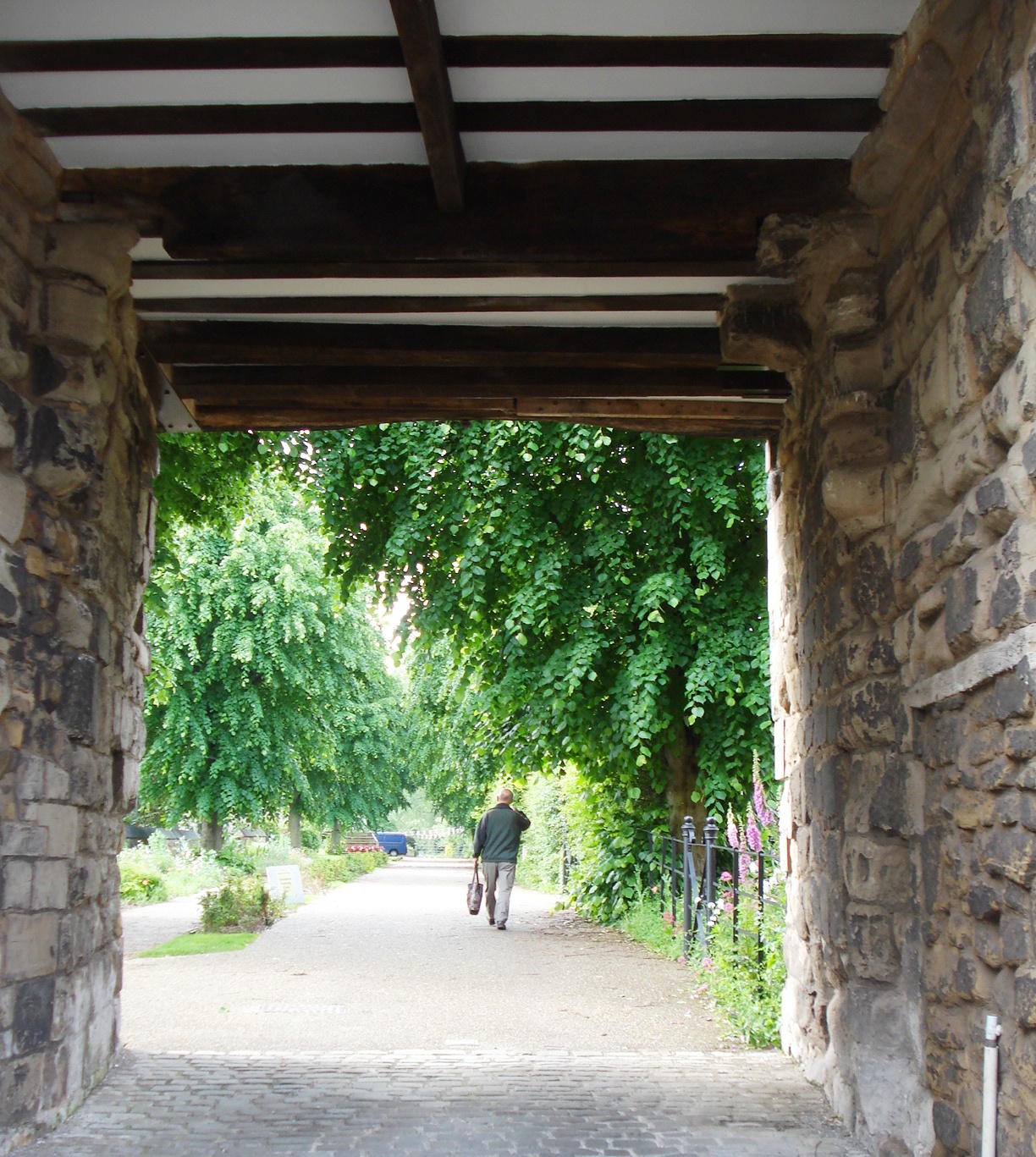 |
| Looking in: Walking through the archway takes you along a path, lined with trees and flowers, to the graveyard and church |
In 1536 a commission set up by Henry VIII to record the assets of religious establishments, put the annual value of Polesworth Abbey at £110s 6s 2d, noting it was in ‘good and convenient repair. The income from the ‘great woods’ and the ‘stocks, stores and moveable goods’ (whatever they may have been) was even higher, and if you multiply this across the country, you begin to see why the king was so keen to get his hands on the monasteries. It may be a cynical point of view, but it does strike me that the whole process had more to do with economics that religion.
Anyway, the Commission recommended that Polesworth should not be closed, because if it did the town would fall into ‘ruyne and dekaye’, and it went on to explain how more than 30 children were educated there, and that the nuns had 38 people dependent on them, including 3 priests, 8 yeomen, 17 peasants, 9 women servants, and one ‘old impotent creature, sometime cook of the House, who had her living here by promise’. This appeal was successful – possibly because the Abbess, Alicia Fitz-Herbert, paid a fee of £50 – and in 1537 Polesworth was granted exemption.
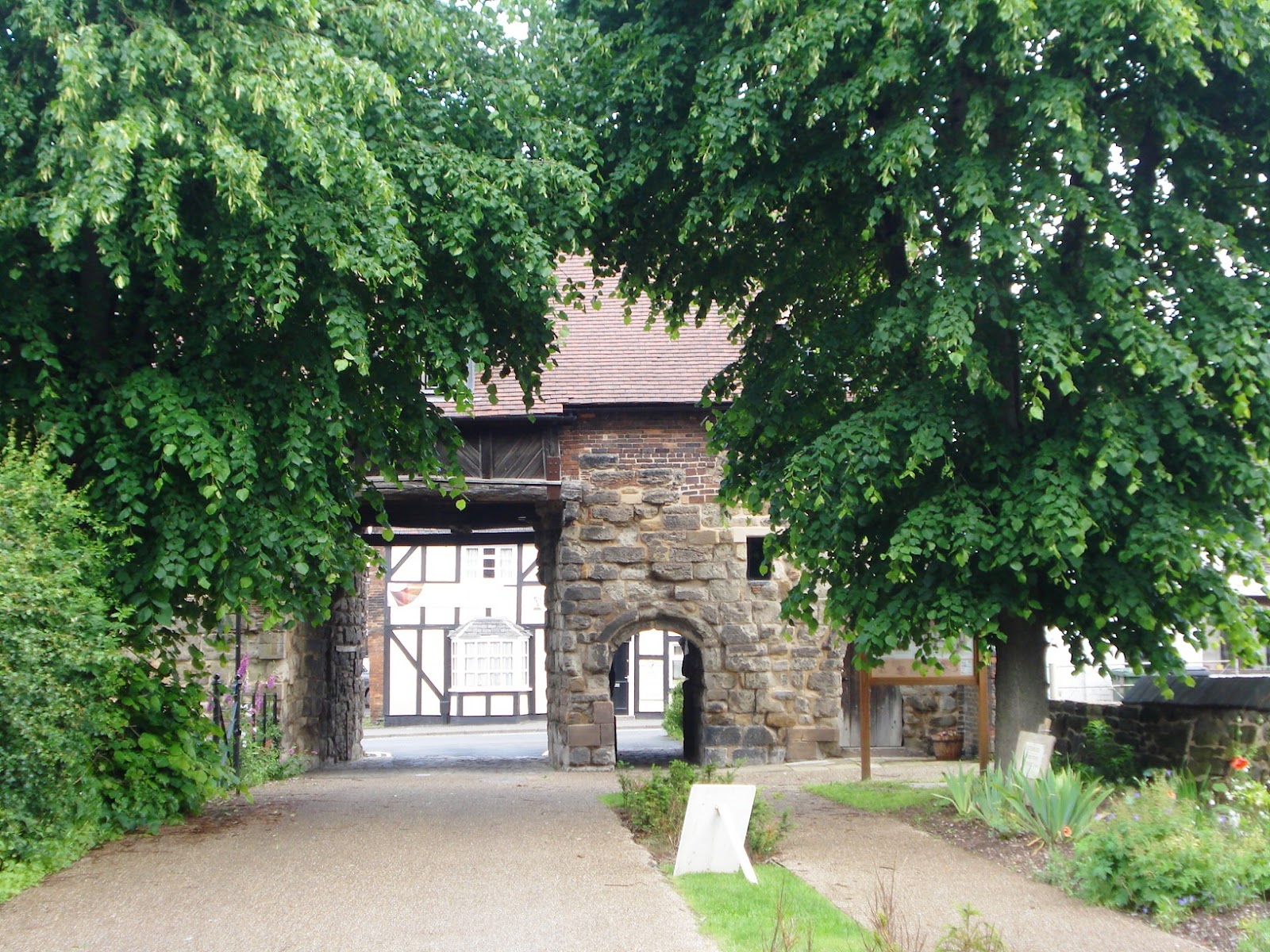 |
| Looking out: the view through the gateway into the street. |
But two years later the 60-year-old abbess surrendered the abbey voluntarily. Perhaps pressure was brought to bear on her, or perhaps she realised that the nunnery would eventually be closed whether she liked it or not, so felt it was better to give in. At any rate, Alicia and the 14 ‘virtuous and relygous nounes’ under her rule, all clad in their black robes, walked away to start their new life. Their fate is unknown, but there is a record of their names, and they were awarded pensions. Local historian Jean Wood lists the names, and a great deal of other fascinating information, in ‘A New Look At Polesworth History’.
In 1544 Henry sold the abbey to the Goodere family, who demolished most of the buildings and erected a manor house (which is now the vicarage). The nuns’ priest, John Bower, became their chaplain..
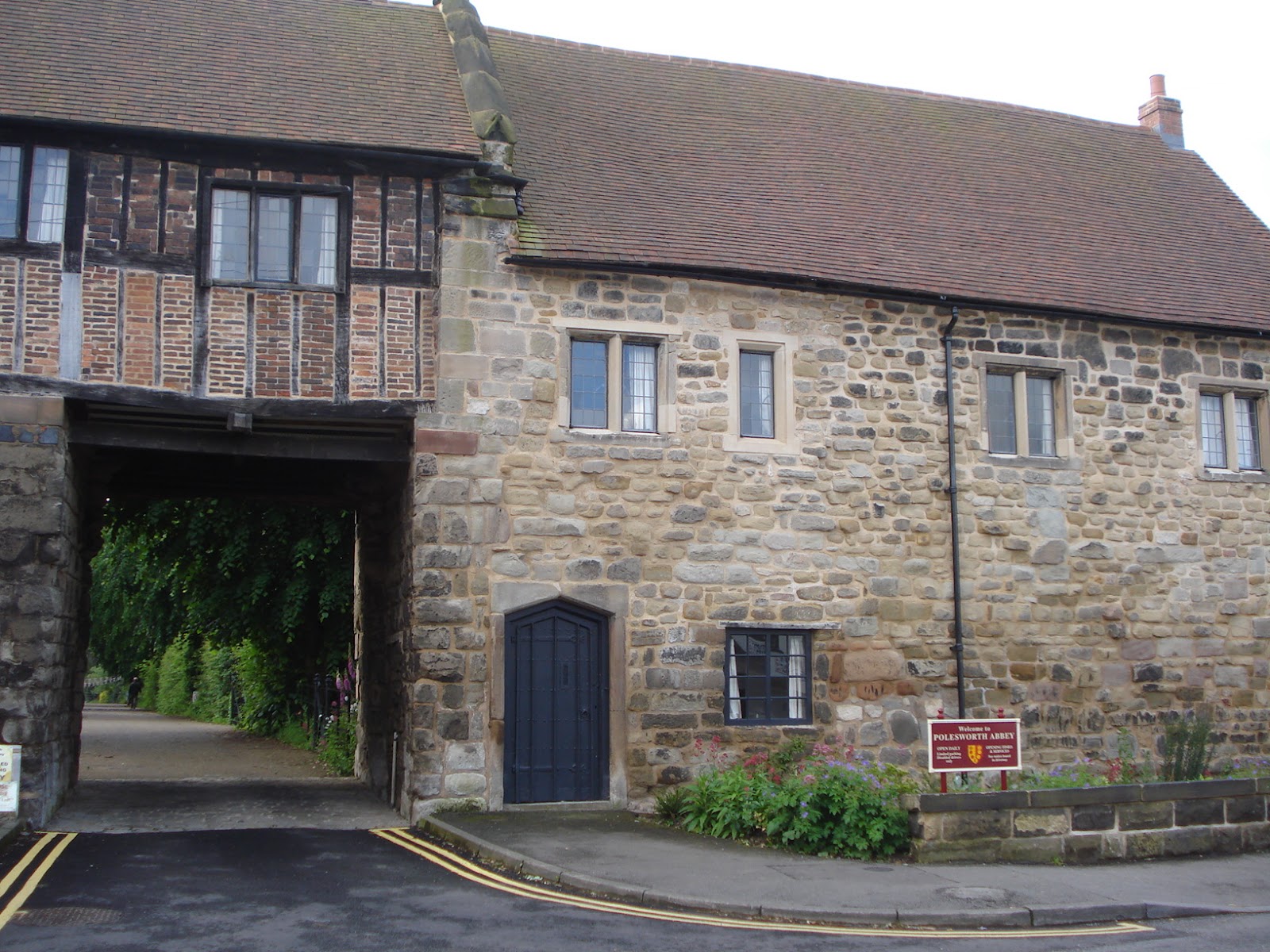 |
| The building to the right of the arch was part of the gatehouse |
The gatehouse through which the nuns walked when they left, survives. Parts of it date back to 1343, although some alterations were made over the years. The main archway was for horse-drawn vehicles, and the smaller one for pedestrians. Originally there must have been stout, protective doors, and there was a room downstairs, to the left of the little arch, for a porter, who checked everyone in and out.
The building to the right of the main arch was part of the gatehouse complex. It’s thought the nuns may have kept horses or livestock in the lower part, and that the gatehouse may have been where guests stayed. After the Dissolution part of the gatehouse became a schoolroom, and later still some of it was used as a ‘lock-up’ or prison.
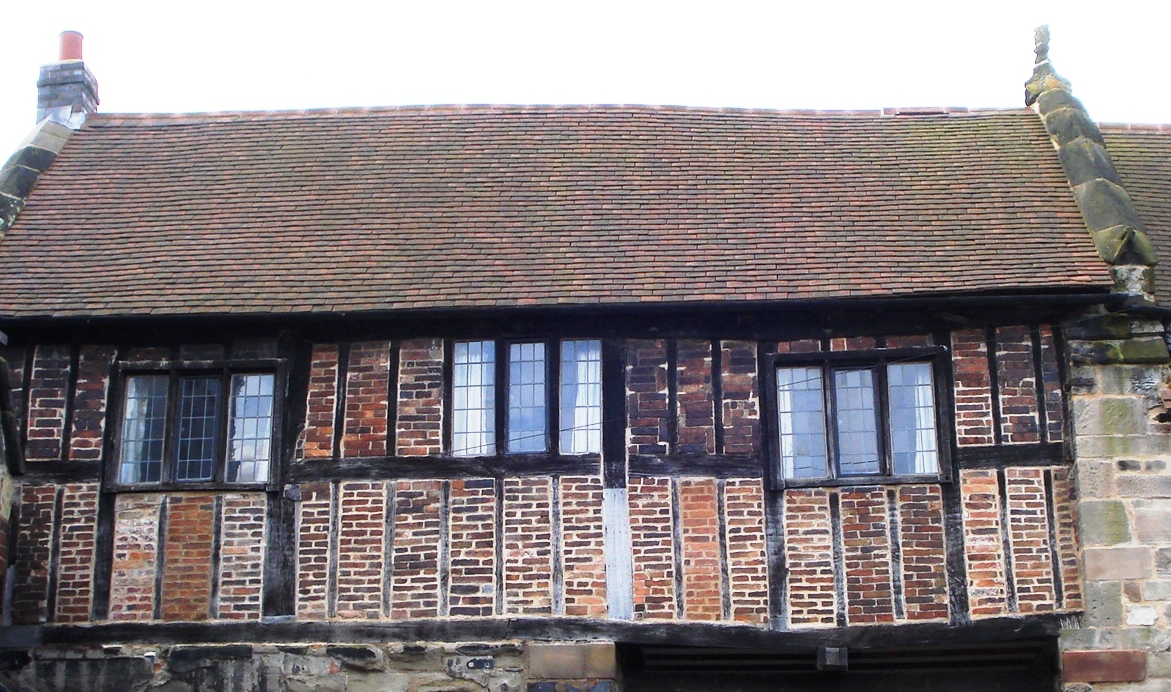 |
| A close-up of the room above the archwayn |
For more Saturday Snapshots see Alice’s blog http://athomewithbooks.net/

 The Book Trunk
Leave a reply to Margaret @ BooksPlease Cancel reply